
Ever feel like you're juggling a million things, and each one is on fire? Between work deadlines, family commitments, and the endless stream of notifications buzzing on our phones, it's no wonder so many of us are feeling stressed. We're constantly bombarded with information and demands, and finding a moment of peace can seem like an impossible task. It's like our nervous systems are stuck in overdrive, leaving us feeling anxious, overwhelmed, and just plain exhausted. The good news is, you're not alone, and there are gentle, natural ways to support your body and mind as you navigate these stressful times.
Life throws curveballs. It's an undeniable truth. Maybe it's the pressure of a demanding job where looming deadlines and constant performance evaluations keep you on edge. Perhaps it's the challenges of raising a family, where the constant demands of children and the weight of their well-being rest squarely on your shoulders. Or maybe it's the complexities of modern relationships, the financial anxieties that plague many, or the simple, yet profound, isolation that can creep in despite our hyper-connected world. All these stressors build up, impacting our sleep, our mood, and our overall sense of well-being. We start looking for ways to cope, and sometimes those coping mechanisms aren't the healthiest in the long run.
But what if, instead of reaching for that extra cup of coffee or mindlessly scrolling through social media, you could tap into the power of nature to help you find calm and resilience? For centuries, cultures around the world have relied on herbal remedies to soothe frayed nerves and promote a sense of inner peace. These natural allies can work synergistically with your body to ease anxiety, improve sleep, and enhance your overall well-being. Incorporating herbal remedies isn't about finding a quick fix, but rather about cultivating a more balanced and resilient lifestyle.
It's about building a toolbox of simple, mindful practices that support your nervous system and help you navigate the ups and downs of life with greater ease. Breathing exercises, gentle movement like yoga or tai chi, and spending time in nature are all fantastic additions. And when combined with the power of herbs, you can create a holistic approach to stress management that truly nourishes you from the inside out. Let's explore some of these amazing herbal remedies that can help you find your calm amidst the chaos.
Harnessing the Power of Herbal Remedies for Stress Reduction
So, what are these herbal allies that can help us navigate the stress of modern life? It's important to remember that everyone is different, and what works for one person might not work for another. It's always a good idea to do your research and, if you have any underlying health conditions or are taking medication, consult with a qualified healthcare professional before incorporating new herbs into your routine. This isn't about replacing medical care, but about adding supportive tools to your wellness journey.
Understanding Adaptogens: Your Body's Stress Buffer
Adaptogens are a special class of herbs that help the body adapt to stress, both physical and emotional. They work by supporting the adrenal glands, which play a key role in the body's stress response. Think of them as little coaches, helping your body become more resilient and better equipped to handle whatever life throws your way.
Ashwagandha: This powerful herb is perhaps one of the most well-known adaptogens. It's been used for centuries in Ayurvedic medicine to promote calmness, reduce anxiety, and improve sleep. It can also help support healthy energy levels without the jitters often associated with caffeine. Many people find that taking ashwagandha regularly helps them feel more grounded and less reactive to stressful situations. Rhodiola: Another potent adaptogen, Rhodiola is known for its ability to combat fatigue and improve mental performance. It can be particularly helpful for those experiencing burnout or chronic stress. Rhodiola can also help improve focus and concentration, making it a valuable tool for navigating demanding work environments. Holy Basil (Tulsi):Often referred to as the "Queen of Herbs," Holy Basil is revered for its ability to reduce stress and anxiety while promoting a sense of well-being. It's also a powerful antioxidant and anti-inflammatory. Many people enjoy Holy Basil as a tea, and its calming aroma can be incredibly soothing.
Calming Herbs for Anxiety and Relaxation
While adaptogens help build long-term resilience, other herbs offer more immediate relief from anxiety and promote relaxation. These herbs can be particularly helpful during moments of acute stress or when you need to unwind after a long day.
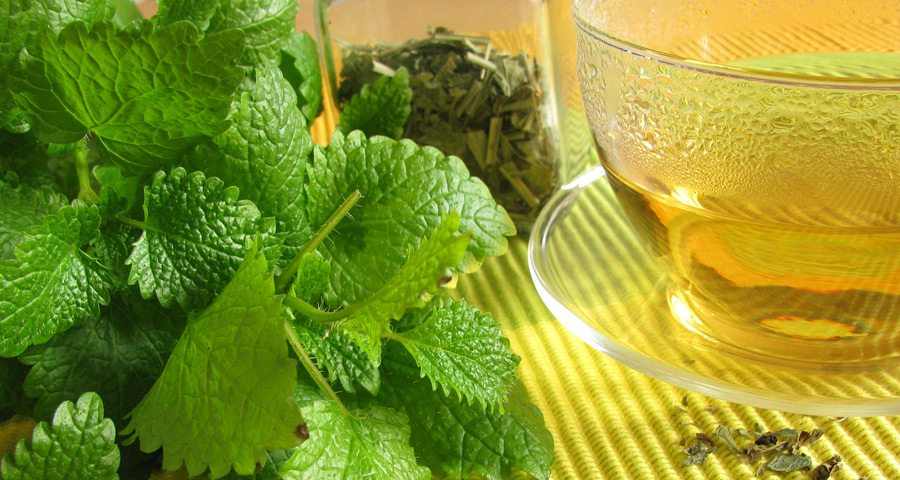
Lavender: The scent of lavender is almost universally recognized for its calming properties. It can help reduce anxiety, improve sleep quality, and promote a sense of relaxation. You can use lavender essential oil in a diffuser, add lavender buds to a warm bath, or drink lavender tea. Chamomile: Another gentle and soothing herb, chamomile is well-known for its ability to promote relaxation and reduce anxiety. It's often enjoyed as a tea before bed to help improve sleep. Chamomile can also help soothe digestive upset, which can often be exacerbated by stress. Lemon Balm:This herb has a bright, citrusy aroma and is known for its calming and mood-boosting properties. It can help reduce anxiety, improve focus, and promote restful sleep. Lemon balm can be enjoyed as a tea or used in aromatherapy.
Herbs for Supporting Sleep and Rest
Stress and anxiety often disrupt sleep, creating a vicious cycle. When you're stressed, you can't sleep, and when you don't sleep, you're even more stressed. These herbs can help break that cycle by promoting relaxation and improving sleep quality.
Valerian Root: Valerian root is a potent sedative that can help promote deep and restful sleep. It's often used to treat insomnia and anxiety-related sleep disturbances. Valerian root has a strong, earthy aroma and is typically taken in capsule or tincture form. Passionflower: This beautiful flower is known for its calming and anxiety-reducing properties. It can help improve sleep quality and reduce restlessness. Passionflower can be enjoyed as a tea or taken in capsule or tincture form.
Incorporating Herbal Remedies Into Your Daily Routines
Now that you know about some of the key herbs for stress reduction, let's talk about how to incorporate them into your daily routines. Remember, consistency is key. It's not about taking a herb once in a while; it's about making it a regular part of your wellness practice.
Practical Tips for Using Herbal Remedies
Start small: Don't try to overhaul your entire routine overnight. Choose one or two herbs that resonate with you and start incorporating them gradually. Listen to your body: Pay attention to how different herbs affect you and adjust your dosage accordingly. Be patient: It may take a few weeks to notice the full benefits of herbal remedies. Choose quality products: Look for herbs that are organically grown and sustainably sourced. Consider different forms:Herbs are available in various forms, including teas, capsules, tinctures, and essential oils. Experiment to find what works best for you.
Creating a Calming Evening Routine
A consistent evening routine can signal to your body that it's time to wind down and prepare for sleep. Incorporating herbal remedies into this routine can further enhance its calming effects.
Herbal Tea Time: Enjoy a cup of chamomile, lavender, or lemon balm tea an hour or two before bed. The warmth and aroma of the tea can be incredibly soothing. Aromatherapy: Diffuse lavender essential oil in your bedroom to create a relaxing atmosphere. Herbal Bath: Add Epsom salts and a few drops of lavender or chamomile essential oil to a warm bath. Mindful Meditation: Practice a few minutes of mindful meditation or deep breathing exercises to quiet your mind and relax your body. Journaling:Write down your thoughts and feelings to release any pent-up emotions.
Q&A: Addressing Common Concerns About Herbal Remedies
Q: Are herbal remedies safe?
Generally, yes, when used appropriately. However, it's always important to do your research and consult with a qualified healthcare professional, especially if you have any underlying health conditions or are taking medication. Some herbs can interact with certain medications, so it's crucial to be aware of potential interactions.
Q: How long does it take to see results?
It varies from person to person. Some people may experience immediate relief from anxiety or improved sleep after taking an herb, while others may need to take it for several weeks before noticing a difference.
Q: Can I take multiple herbs at the same time?
Yes, but it's best to start slowly and introduce one herb at a time so you can monitor your body's response.
Q: Where can I buy quality herbal remedies?
Look for reputable suppliers that sell organically grown and sustainably sourced herbs. You can find quality herbal remedies at health food stores, online retailers, and some pharmacies.
Why It Matters: Cultivating a Holistic Approach to Wellness
Stress is an inevitable part of life, but how we manage it makes all the difference. By incorporating herbal remedies into our daily routines, we can empower ourselves to navigate stressful situations with greater ease and resilience. But remember, herbal remedies are just one piece of the puzzle. To truly thrive, we need to cultivate a holistic approach to wellness that includes: Mindful Breathing: Practicing deep, conscious breathing can help calm the nervous system and reduce anxiety. Regular Exercise: Physical activity is a powerful stress reliever and mood booster. Healthy Diet: Nourishing your body with whole, unprocessed foods can improve your overall health and well-being. Adequate Sleep: Prioritizing sleep is crucial for managing stress and maintaining optimal health. Social Connection: Spending time with loved ones can provide emotional support and reduce feelings of isolation. Mindfulness and Meditation: These practices can help you cultivate a greater sense of awareness and presence, allowing you to better manage your thoughts and emotions.
By combining the power of herbal remedies with these other healthy habits, you can create a powerful foundation for stress reduction and overall well-being. Remember, it's a journey, not a destination. Be patient with yourself, listen to your body, and celebrate your progress along the way. You deserve to feel calm, balanced, and resilient, no matter what life throws your way. So, take a deep breath, and start exploring the wonderful world of herbal remedies – your body and mind will thank you for it.