
Ever feel like you're juggling flaming torches while riding a unicycle uphill… in a hurricane? We all have those days, weeks, maybe even months where stress feels less like a visitor and more like a permanent houseguest. Between demanding jobs, family responsibilities, financial pressures, and just the general chaos of modern life, it's easy to get caught in a cycle of anxiety and overwhelm. You might find yourself snapping at loved ones, losing sleep, or just feeling a constant, low-grade hum of tension that never quite goes away. The good news? While we can't eliminate all stressors, wecanchange how we react to them. It all starts with shifting your mindset.
Stress isn't just a feeling; it's a physiological response to perceived threats. That threat might be a looming deadline at work, a difficult conversation with a partner, or even just the constant stream of notifications on your phone. The problem is, our bodies often react to these everyday stressors as if they were life-or-death situations, triggering the release of hormones like cortisol that, while helpful in short bursts, can wreak havoc on our physical and mental health when chronically elevated. This can manifest as anything from headaches and digestive issues to difficulty concentrating and increased risk of depression and anxiety. So, what can we do?
The key lies in recognizing that while we can't always control our external circumstances, wecancontrol our internal responses. Cultivating a resilient mindset isn't about ignoring problems or pretending everything is fine. It's about developing the tools and techniques to navigate challenges with greater ease, calm, and perspective. It's about consciously choosing how we interpret and react to the curveballs life throws our way. Small shifts in your mindset, consistently applied, can make a huge difference in your daily stress levels and overall well-being. This isn't about quick fixes or magic bullets; it's about building a sustainable foundation of mental and emotional strength.
Ready to start building that foundation? Let's explore some practical mindset shifts that can help you reduce stress daily. These are simple, actionable steps you can start implementing today to cultivate a calmer, more centered approach to life.
Understanding the Power of Perception
Our perception of a situation is often more impactful than the situation itself. Two people can experience the same event and react very differently based on their individual beliefs, expectations, and past experiences.
Reframing Negative Thoughts
One of the most effective ways to reduce stress is to challenge and reframe negative thoughts. When faced with a stressful situation, our minds often jump to worst-case scenarios. Learning to identify these negative thought patterns and consciously reframe them into more balanced and realistic perspectives can significantly reduce anxiety.
Practical Tip
Thought Journaling: Keep a journal and write down stressful situations and the thoughts that accompany them. Identify any negative thought patterns, such as catastrophizing (assuming the worst) or black-and-white thinking (seeing things as all good or all bad). Challenge the Thought: Ask yourself: Is this thought based on facts or feelings? Is there another way to interpret the situation? What's the best-case scenario? What's themost likelyscenario? Replace the Thought:Replace the negative thought with a more balanced and positive one. For example, instead of thinking "I'm going to fail this presentation," try "I've prepared well for this presentation, and I'm going to do my best. Even if it's not perfect, it's a learning opportunity."
Cultivating Gratitude for Enhanced Wellness
Practicing gratitude, even amidst stressful times, can dramatically shift your mindset and improve your overall sense of well-being. Focusing on what youhaverather than what youlackcan create a sense of contentment and reduce feelings of anxiety and overwhelm.
The Gratitude Mindset: More Than Just Saying "Thank You"
True gratitude goes beyond simply saying "thank you." It involves actively noticing and appreciating the good things in your life, both big and small. It's about training your brain to focus on the positive aspects of your experiences.
Practical Tips
Gratitude Journal: Write down three to five things you're grateful for each day. They can be simple things like a sunny day, a delicious meal, or a kind word from a friend. Gratitude Affirmations: Start your day by reciting gratitude affirmations. For example, "I am grateful for my health," "I am grateful for my supportive family," "I am grateful for the opportunities in my life." Express Gratitude to Others: Take the time to express your appreciation to the people in your life. A simple "thank you" can go a long way in boosting both your mood and theirs. Gratitude Walk: Take a mindful walk and intentionally notice the beauty around you. Appreciate the trees, the flowers, the birds, and the fresh air.
Why it Matters: The Science of Gratitude
Studies have shown that practicing gratitude can have numerous benefits, including reduced stress, improved sleep, increased happiness, and stronger relationships. Gratitude helps to shift your focus away from negative emotions and towards positive ones, which can lead to a more optimistic and resilient mindset.
Embracing Acceptance for Reduced Anxiety
Acceptance is not about resignation or giving up. It's about acknowledging the reality of a situation without resistance. When we fight against reality, we create unnecessary stress and suffering.
Letting Go of What You Can't Control
One of the biggest sources of stress is trying to control things that are outside of our control. This could include other people's behavior, unforeseen events, or even the weather. Learning to accept what you can't control and focus your energy on what youcancontrol is crucial for reducing anxiety.
Practical Tips
Identify What You Can Control: Make a list of the things in your life that you have control over, such as your thoughts, your actions, and your reactions. Let Go of What You Can't Control: Practice letting go of the things that are outside of your control. This may involve accepting that things won't always go your way or that you can't change other people. Focus on Your Response:Instead of focusing on the external situation, focus on how you can respond to it in a healthy and constructive way.
Q&A: How is Acceptance Different from Giving Up?
Acceptance is about acknowledging reality, while giving up implies a lack of effort or hope. When you accept a situation, you're not necessarily saying that you're happy about it, but you're acknowledging that it is what it is. This allows you to move forward and make the best of the situation. Giving up, on the other hand, involves surrendering and not trying to improve things.
Prioritizing Self-Care for Sustainable Stress Reduction
Self-care is not selfish; it's essential. When you're constantly stressed and depleted, you're less able to cope with challenges and less able to be there for others.
Creating a Daily Self-Care Routine
A consistent self-care routine can help you build resilience and manage stress more effectively. This routine should include activities that nourish your mind, body, and spirit.
Practical Tips
Schedule It In: Treat your self-care activities like important appointments and schedule them into your daily or weekly routine. Start Small: You don't have to make drastic changes to your lifestyle. Start with small, manageable activities that you enjoy. Experiment: Try different self-care activities to find what works best for you. This might include exercise, meditation, spending time in nature, reading, listening to music, or connecting with loved ones. Mindful Breathing Exercises: Even a few minutes of deep, conscious breathing can significantly reduce anxiety and promote a sense of calm.
The Importance of Setting Boundaries
Setting healthy boundaries is a crucial aspect of self-care. It involves defining your limits and communicating them clearly to others. This can help you avoid overcommitting yourself and protect your time and energy.
Practical Tips
Identify Your Boundaries: Reflect on your needs and limits in different areas of your life, such as work, relationships, and personal time. Communicate Your Boundaries: Clearly and respectfully communicate your boundaries to others. Be assertive but kind. Enforce Your Boundaries:Be prepared to enforce your boundaries if others try to cross them. This may involve saying "no" or limiting your interactions with certain people.
Developing a Growth Mindset for Resilience
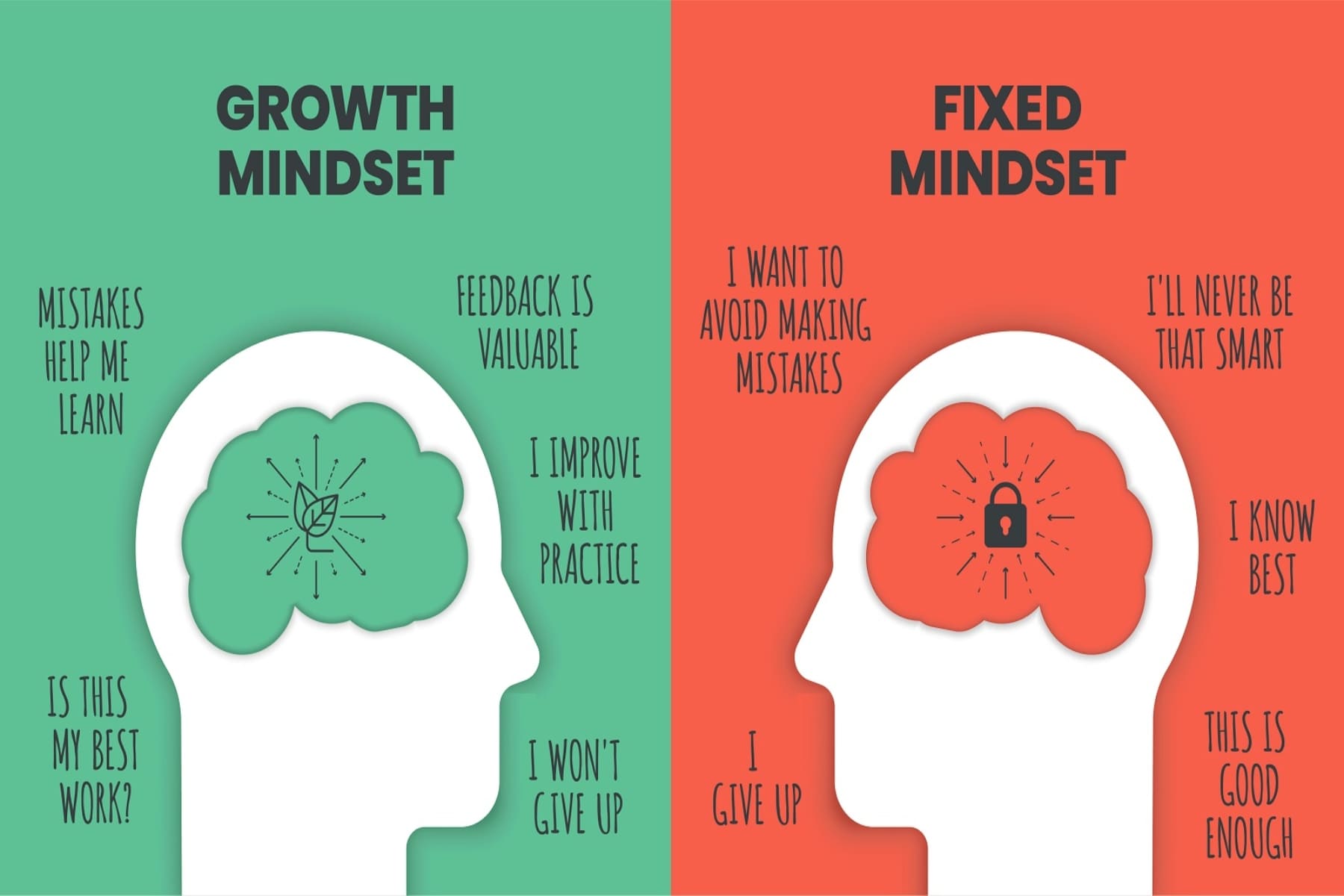
A growth mindset is the belief that your abilities and intelligence can be developed through dedication and hard work. This is the opposite of a fixed mindset, which is the belief that your abilities are innate and unchangeable.
Embracing Challenges and Learning from Setbacks
People with a growth mindset embrace challenges as opportunities for growth and learning. They don't shy away from difficult tasks, and they see setbacks as valuable learning experiences.
Practical Tips
Reframe Challenges: Instead of seeing challenges as threats, reframe them as opportunities to learn and grow. Focus on Effort, Not Outcome: Focus on the effort you put into a task, rather than the outcome. This can help you stay motivated even when things are difficult. Learn from Setbacks:View setbacks as valuable learning experiences. Ask yourself: What can I learn from this experience? How can I improve next time?
Why it Works: The Power of Perspective
Adopting a growth mindset can help you develop resilience and manage stress more effectively. When you believe that you can improve your abilities, you're more likely to persevere in the face of challenges and less likely to be discouraged by setbacks. This can lead to a greater sense of control and confidence, which can reduce anxiety and improve your overall well-being. Regular routines that support your wellness goals will make it easier to maintain a growth mindset.
By implementing these mindset shifts into your daily life, you can significantly reduce stress and cultivate a more resilient and fulfilling existence. Remember that change takes time and effort. Be patient with yourself, celebrate your progress, and keep practicing these techniques. Over time, you'll find that you're better equipped to handle life's challenges with greater ease, calm, and perspective. And don’t forget the power of simple breathing exercises for immediate relief!