
Ever feel like you’re running on fumes, perpetually teetering on the edge of burnout? Like your to-do list is mocking you while your sleep schedule stages a nightly revolt? You're not alone. The modern world, with its relentless demands and constant connectivity, can feel like a pressure cooker. It's easy to get swept away in the whirlwind, neglecting the vital process of recovery and leaving you feeling depleted and struggling to cope. But understanding the science behind stress and recovery can empower you to take control, build resilience, and rediscover a sense of calm amidst the chaos. This isn't about escaping reality; it's about equipping yourself with the knowledge and tools to navigate it with greater ease and well-being.
We all face stressors, big and small. Maybe it’s the pressure of a looming deadline at work, the constant juggle of family responsibilities, financial worries, or the emotional toll of navigating relationships. Perhaps it's the persistent feeling of being "always on" thanks to smartphones and social media, blurring the lines between work and personal life. Whatever the source, chronic stress can manifest in myriad ways: persistent fatigue, irritability, difficulty concentrating, sleep disturbances, anxiety, and even physical ailments. It’s a vicious cycle: stress depletes your resources, making you more vulnerable to further stressors, and hindering your ability to recover effectively.
But there's hope. The good news is that our bodies are inherently designed to cope with stress and bounce back. Cultivating awareness of your own stress response and incorporating restorative practices into your daily routines can significantly impact your resilience and overall well-being. Simple things like mindful breathing exercises, spending time in nature, prioritizing sleep, and nurturing meaningful connections can act as powerful antidotes to the negative effects of stress. The key is to find what works best foryouand make these practices a sustainable part of your life.
Understanding the Science of Stress and Recovery
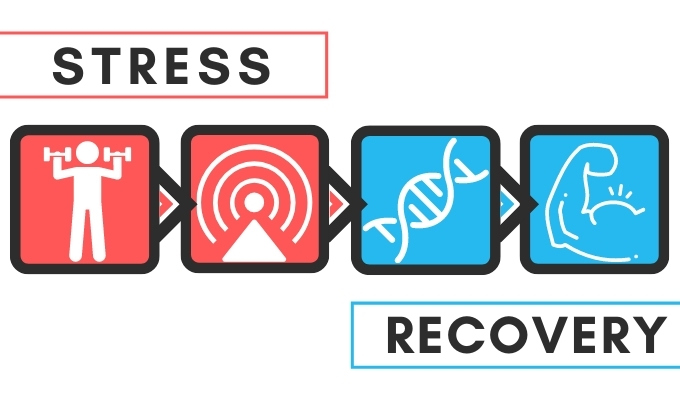
Stress isn't inherently bad. In fact, acute stress can be beneficial, triggering the "fight or flight" response that helps us react quickly in dangerous situations. However, when stress becomes chronic, it disrupts the delicate balance of our body's systems, leading to a cascade of negative effects. Understanding the physiological mechanisms involved is the first step towards managing stress effectively.
The Stress Response: A Closer Look
When faced with a perceived threat, our bodies activate the hypothalamic-pituitary-adrenal (HPA) axis. This complex network of interactions between the hypothalamus, pituitary gland, and adrenal glands results in the release of cortisol, the primary stress hormone. Cortisol helps mobilize energy stores, increases alertness, and suppresses non-essential functions like digestion and reproduction.
While cortisol is crucial for short-term survival, prolonged elevation can have detrimental consequences. Chronic stress can lead to: Weakened Immune System: Cortisol suppresses immune function, making you more susceptible to illness. Increased Risk of Cardiovascular Disease: Chronic stress can contribute to high blood pressure, elevated cholesterol levels, and inflammation, all of which increase the risk of heart disease. Digestive Problems: Stress can disrupt the digestive process, leading to symptoms like indigestion, bloating, and irritable bowel syndrome (IBS). Mental Health Issues: Chronic stress is a major risk factor for anxiety, depression, and other mental health disorders. Sleep Disturbances:High cortisol levels can interfere with sleep, leading to insomnia and fatigue.
The Importance of Recovery
Recovery isn't just about resting; it's about actively engaging in practices that help your body and mind return to a state of equilibrium. It’s the crucial counterbalance to the stress response, allowing your system to repair, rebuild, and replenish. Without adequate recovery, the negative effects of stress accumulate, leading to burnout and chronic health problems.
Recovery encompasses various dimensions: Physical Recovery: This includes getting enough sleep, eating a healthy diet, engaging in gentle exercise, and allowing your body to rest and repair. Mental Recovery: This involves engaging in activities that help you relax, de-stress, and clear your mind, such as meditation, mindfulness, or spending time in nature. Emotional Recovery:This focuses on processing your emotions, building healthy coping mechanisms, and nurturing supportive relationships.
Practical Tips for Enhancing Recovery
The good news is that incorporating recovery practices into your daily routine doesn't have to be complicated or time-consuming. Small, consistent changes can make a big difference in your ability to manage stress and promote well-being.
1. Prioritize Sleep
Establish a Regular Sleep Schedule: Go to bed and wake up around the same time each day, even on weekends, to regulate your body's natural sleep-wake cycle. Create a Relaxing Bedtime Routine: Wind down with a warm bath, read a book, or listen to calming music. Avoid screens and stimulating activities before bed. Optimize Your Sleep Environment:Make sure your bedroom is dark, quiet, and cool.
2. Practice Mindful Breathing
Diaphragmatic Breathing: Place one hand on your chest and the other on your abdomen. Inhale deeply through your nose, allowing your abdomen to rise. Exhale slowly through your mouth, allowing your abdomen to fall. Box Breathing: Inhale for a count of four, hold for a count of four, exhale for a count of four, and hold for a count of four. Repeat several times.
These techniques can help activate the parasympathetic nervous system, which promotes relaxation and reduces anxiety. Taking just a few minutes each day to focus on your breath can significantly impact your overall sense of calm.
3. Incorporate Movement
Gentle Exercise: Activities like walking, yoga, and swimming can help reduce stress hormones and promote relaxation. Stretch Regularly: Stretching can help release tension in your muscles and improve circulation. Dance it out:Put on your favorite music and just move!
Physical activity doesn't have to be intense to be beneficial. Even a short walk in nature can have a profound impact on your mood and stress levels.
4. Nourish Your Body
Eat a Balanced Diet: Focus on whole, unprocessed foods, including fruits, vegetables, lean protein, and healthy fats. Stay Hydrated: Drink plenty of water throughout the day. Dehydration can exacerbate stress symptoms. Limit Processed Foods, Sugar, and Caffeine:These substances can contribute to anxiety and sleep disturbances.
Nutrition plays a vital role in supporting your body's ability to cope with stress. A healthy diet provides the essential nutrients needed for optimal function and resilience.
5. Cultivate Mindfulness
Meditation: Dedicate a few minutes each day to sit quietly and focus on your breath or a specific object. Body Scan Meditation: Pay attention to the sensations in your body, starting with your toes and working your way up to your head. Mindful Walking:Focus on the sensations of your feet making contact with the ground as you walk.
Mindfulness practices help you become more aware of your thoughts and feelings without judgment, allowing you to respond to stress with greater clarity and composure.
6. Nurture Social Connections
Spend Time with Loved Ones: Connecting with people who care about you can provide emotional support and reduce feelings of isolation. Engage in Meaningful Conversations: Sharing your thoughts and feelings with others can help you process stress and gain perspective. Join a Social Group:Connecting with people who share your interests can provide a sense of belonging and community.
Social connection is a fundamental human need. Nurturing healthy relationships can significantly buffer the negative effects of stress and promote overall well-being.
7. Create a Calming Environment
Surround Yourself with Nature: Spending time in green spaces has been shown to reduce stress and improve mood. Declutter Your Space: A cluttered environment can contribute to feelings of overwhelm and anxiety. Use Calming Scents:Aromatherapy with essential oils like lavender, chamomile, and sandalwood can promote relaxation.
Your environment can significantly impact your stress levels. Creating a calming and restorative space can help you feel more grounded and at peace.
Why Does It Matter? The Long-Term Impact of Stress and Recovery
Prioritizing stress management and recovery isn't just about feeling better in the short term. It's about investing in your long-term health and well-being. Chronic stress can significantly increase your risk of developing a range of physical and mental health problems. By taking proactive steps to manage stress and incorporate recovery practices into your daily routine, you can: Improve Your Physical Health: Reduce your risk of cardiovascular disease, digestive problems, and other stress-related ailments. Enhance Your Mental Well-being: Reduce symptoms of anxiety and depression, improve your mood, and increase your resilience to stress. Boost Your Productivity: Improve your focus, concentration, and creativity. Strengthen Your Relationships: Communicate more effectively, build stronger connections, and navigate conflicts with greater ease. Increase Your Longevity:Live a longer, healthier, and more fulfilling life.
Building Sustainable Routines
The key to success is consistency. Don't try to implement all of these strategies at once. Start with one or two that resonate with you and gradually incorporate others as you feel comfortable. The goal is to create sustainable routines that support your well-being over the long term. Experiment, be patient with yourself, and remember that even small changes can make a big difference. Pay attention to how you feel after trying different techniques. If something doesn't work for you, don't be afraid to adjust or try something else. The journey to managing stress and prioritizing recovery is a personal one.
Ultimately, understanding the science of stress and recovery empowers you to take control of your well-being. By recognizing the impact of stress on your body and mind, and by incorporating restorative practices into your daily life, you can build resilience, cultivate a sense of calm, and thrive in the face of life's inevitable challenges. Remember, prioritizing your well-being is not selfish; it's essential for living a fulfilling and meaningful life.