
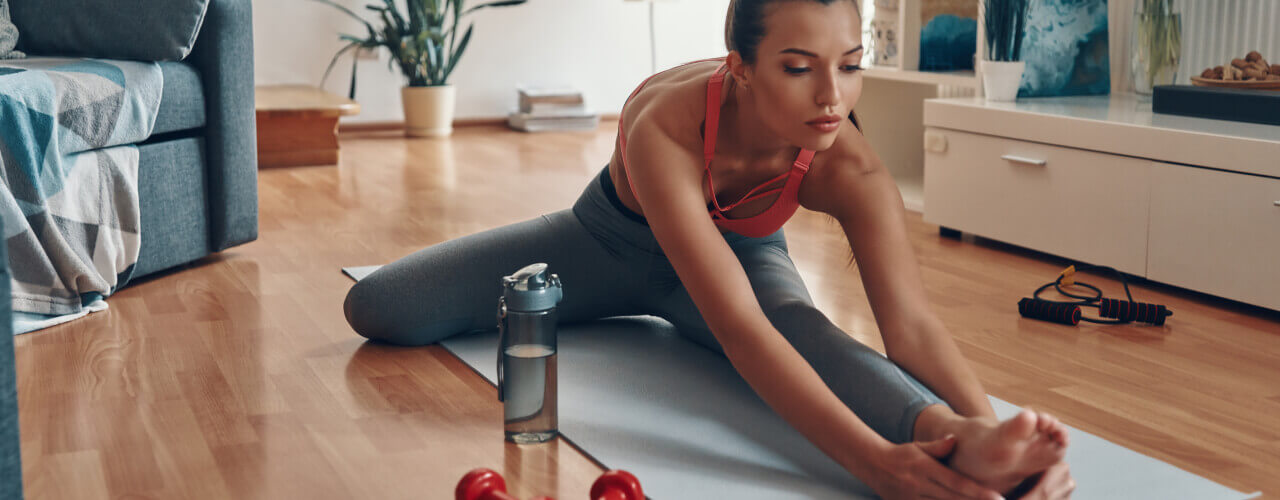
Ever feel like your body's waging a low-grade war against you? That ache in your neck after a long day staring at a screen, the tightness in your lower back that seems to linger no matter what, or the general feeling of being…stuck? We all know the feeling. It's easy to brush it off, chalk it up to “getting older,” or promise yourself you’ll deal with it “later.” But later often turns into never, and those minor aches can snowball into bigger problems. The good news? There are simple, effective ways to combat the daily wear and tear – and they involve carving out some time for yoga and stretching. It’s not about becoming a pretzel; it’s about reclaiming your body's natural ease and finding pockets of calm in your chaotic days.
Life throws a lot at us: deadlines at work, demanding families, and the constant hum of technology vying for our attention. This constant state of "on" leads to chronic stress, which manifests physically as muscle tension, stiffness, and even poor posture. Sitting for extended periods, whether at a desk, in a car, or on the couch, exacerbates these issues, shortening muscles and restricting blood flow. Over time, this can contribute to a host of problems, from headaches and back pain to reduced mobility and a general feeling of sluggishness. The mental toll is just as significant; stress and tension can fuel anxiety, irritability, and difficulty concentrating, creating a vicious cycle of physical and mental discomfort.
Fortunately, integrating yoga and stretching into your routine can be a powerful antidote to these modern-day stressors. These practices not only improve physical flexibility and reduce muscle tension but also promote relaxation and improve your overall mindset. Even short bursts of movement and mindful breathing can make a significant difference. Think of it as a reset button for your body and mind, a chance to unwind, release tension, and reconnect with your inner calm. By consciously carving out time for these practices, you're investing in your long-term well-being, both physically and emotionally.
Understanding the Benefits of Yoga and Stretching
Yoga and stretching are often used interchangeably, but they offer slightly different approaches to improving flexibility and well-being. Stretching typically focuses on isolating specific muscle groups and holding a position to lengthen the muscle fibers. Yoga, on the other hand, combines stretching with controlled breathing, mindful movement, and often, meditation. Both practices offer numerous benefits, including: Increased Flexibility: Regular stretching and yoga can improve your range of motion, making everyday activities easier and reducing your risk of injury. Reduced Muscle Tension: Holding stretches allows muscles to relax and release built-up tension, alleviating aches and pains. Improved Circulation: Movement and stretching increase blood flow throughout the body, delivering oxygen and nutrients to tissues. Stress Reduction: The focus on breath and mindful movement in yoga, and the relaxation response triggered by stretching, can help calm the nervous system and reduce feelings of anxiety and stress. Improved Posture: Strengthening and stretching key muscle groups can help correct postural imbalances and improve your overall alignment. Enhanced Body Awareness: Both practices encourage you to pay attention to your body and become more aware of its sensations, helping you identify areas of tension or discomfort.
When to Add Yoga or Stretching to Your Day: Finding Your Perfect Fit
The beauty of yoga and stretching is their versatility. You don’t need hours or fancy equipment to reap the benefits. Integrating them into your existing routine is easier than you think. Here are some ideal times to incorporate these practices:
Morning: Start Your Day with Intention
Why it matters: A morning stretch or short yoga flow can wake up your body and mind, setting a positive tone for the day. It can help shake off stiffness, improve circulation, and boost your energy levels. Practical tips:
Before you get out of bed: Gentle stretches like knee-to-chest or spinal twists can ease morning stiffness.
5-10 minute yoga routine: Focus on sun salutations or cat-cow pose to warm up the spine and energize your body.
Standing stretches: While waiting for your coffee to brew, incorporate standing stretches like side bends or hamstring stretches. Related keywords: morning routine, energy boost, flexibility, calm, mindset, wellness.
During Work Breaks: Combat Desk-Related Aches
Why it matters: Prolonged sitting can lead to muscle imbalances and stiffness. Taking short breaks throughout the day to stretch can alleviate tension, improve posture, and boost focus. Practical tips:
Every 30-60 minutes: Stand up and stretch your arms overhead, do shoulder rolls, and neck stretches.
Chair yoga: Perform seated twists, forward folds, and leg stretches at your desk.
Walking meetings: If possible, suggest walking meetings to incorporate movement into your workday. Related keywords: desk job, posture, back pain, neck pain, stress relief, anxiety, breathing.
After Exercise: Enhance Recovery and Flexibility
Why it matters: Stretching after a workout helps cool down your muscles, reduce soreness, and improve flexibility. Practical tips:
Hold each stretch for 30-60 seconds: Focus on stretching the muscles you used during your workout.
Include dynamic stretches: Arm circles, leg swings, and torso twists can improve blood flow and range of motion.
Yoga for recovery: Incorporate gentle yoga poses like child's pose, downward-facing dog, and pigeon pose to ease muscle tension and promote relaxation. Related keywords: recovery, muscle soreness, flexibility, workout, cool-down, yoga.
Evening: Unwind and Prepare for Sleep
Why it matters: Evening stretching or yoga can help release tension accumulated throughout the day, calm the mind, and promote restful sleep. Practical tips:
Gentle yoga flow: Focus on restorative poses like supported bridge pose, legs-up-the-wall pose, and savasana.
Deep breathing exercises: Practice diaphragmatic breathing or alternate nostril breathing to calm the nervous system.
Avoid strenuous activity before bed: Opt for gentle stretches and relaxation techniques rather than intense workouts. Related keywords: sleep, relaxation, stress relief, calm, anxiety, breathing, meditation, bedtime routine.
During Times of Stress or Anxiety: Find Your Center
Why it matters: Stretching and yoga can be powerful tools for managing stress and anxiety. The combination of physical movement, controlled breathing, and mindful awareness can help calm the nervous system and promote a sense of well-being. Practical tips:
Focus on your breath: Deep, slow breaths can help regulate your heart rate and calm your mind.
Practice grounding poses: Standing poses like mountain pose or tree pose can help you feel more connected to the earth and grounded in the present moment.
Gentle stretches: Shoulder rolls, neck stretches, and forward folds can release physical tension associated with stress. Related keywords: anxiety, stress relief, breathing, calm, meditation, grounding, mindset.
Simple Stretches to Get You Started
You don't need to be a yoga expert to start reaping the benefits of stretching. Here are a few simple stretches you can incorporate into your daily routine: Neck stretches: Gently tilt your head to each side, holding for 15-30 seconds. You can also rotate your head slowly in a circular motion. Shoulder rolls: Roll your shoulders forward and backward, focusing on releasing tension in your upper back and neck. Arm stretches: Reach one arm across your body and gently pull it towards you with the other hand. Hold for 15-30 seconds and repeat on the other side. Hamstring stretches: Sit on the floor with your legs extended in front of you. Reach towards your toes, keeping your back as straight as possible. Hold for 30-60 seconds. Quadriceps stretches: Stand and bend one knee, bringing your heel towards your glutes. Hold onto your ankle and gently pull your heel closer to your glutes. Hold for 15-30 seconds and repeat on the other side. Calf stretches: Stand facing a wall and place one foot slightly behind the other. Lean forward, keeping your back heel on the ground. Hold for 30-60 seconds and repeat on the other side.
Finding Your Flow: Tips for Making it a Habit
Consistency is key when it comes to reaping the benefits of yoga and stretching. Here are a few tips to help you make it a sustainable habit: Start small: Don't try to do too much too soon. Begin with 5-10 minutes of stretching or yoga each day and gradually increase the duration and frequency as you feel comfortable. Find what you enjoy: Experiment with different styles of yoga and stretching to find what resonates with you. There are countless online resources and classes available to suit different preferences and fitness levels. Schedule it in: Treat your yoga or stretching time like any other important appointment. Schedule it into your calendar and stick to it as much as possible. Find an accountability partner: Exercising with a friend or family member can help you stay motivated and accountable. Be patient and kind to yourself: Don't get discouraged if you miss a day or don't see results immediately. Focus on the process and celebrate your progress along the way. Listen to your body: Pay attention to your body's signals and avoid pushing yourself too hard. If you feel any pain, stop and adjust your position.
Q&A: Common Concerns About Adding Yoga and Stretching
Q: I'm not flexible at all. Is yoga or stretching even for me?
A: Absolutely! Flexibility is not a prerequisite for yoga or stretching; it's a result. Everyone starts somewhere. Focus on the process, not the outcome, and you'll gradually improve your range of motion over time. Use props like blocks or straps to modify poses as needed.
Q: I don't have time for a full yoga class. How can I fit stretching into my busy schedule?
A: You don't need hours to reap the benefits. Even 5-10 minutes of stretching throughout the day can make a difference. Incorporate stretches into your work breaks, before bed, or while watching TV.
Q: I'm worried about injuring myself. How can I stretch safely?
A: Listen to your body and avoid pushing yourself beyond your limits. Focus on proper form and alignment, and don't be afraid to modify poses or use props. If you're new to stretching, consider taking a class or working with a qualified instructor to learn proper techniques.
Q: What if I find stretching boring?
A: Try different types of stretching or yoga to find what you enjoy. Experiment with music, guided meditations, or partner stretching to keep things interesting. The key is to find something that you find enjoyable and sustainable.
By understanding the benefits and incorporating yoga and stretching into your routine at the right times, you can unlock a world of physical and mental well-being. Start small, be consistent, and enjoy the journey of rediscovering your body's natural ease and finding moments of calm in your busy life.