
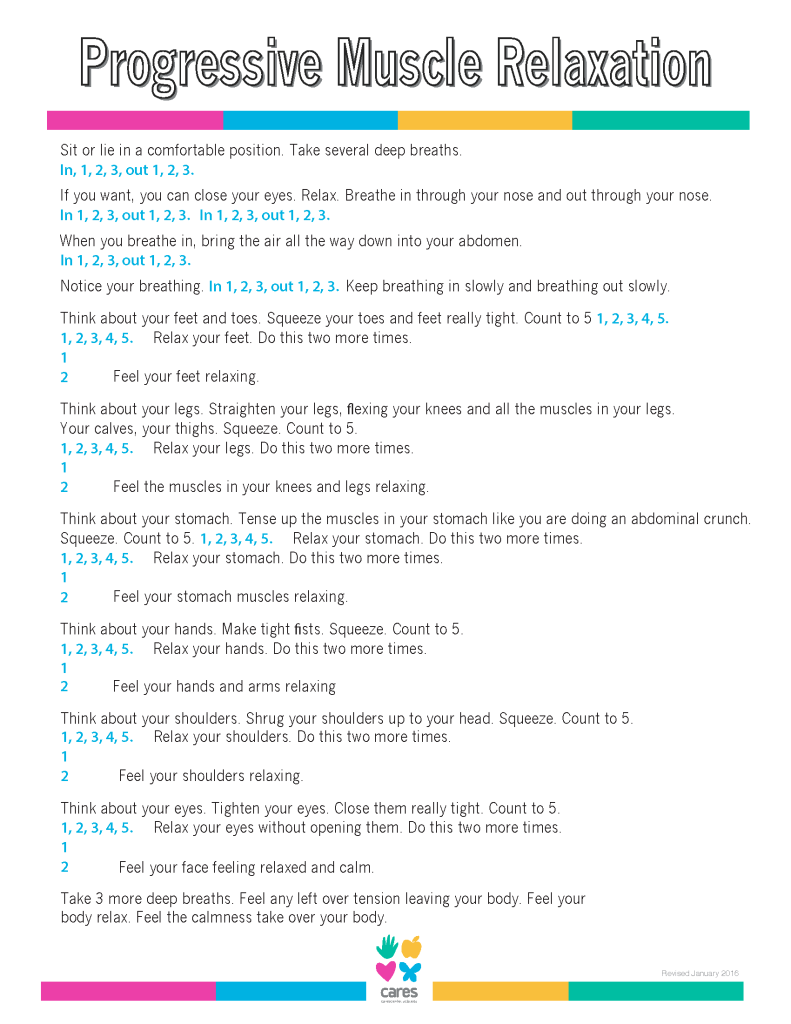
Ever feel like your shoulders are permanently glued to your ears? Or that your jaw is clenched so tight you could crack a walnut? We all carry tension in our bodies, often without even realizing it. Stress has a sneaky way of manifesting physically, leaving us feeling achy, irritable, and just plain worn out. It’s like your body is holding onto all the day’s worries, turning you into a human knot. The good news is, there are ways to untangle those knots, and one of the simplest and most effective methods is something called Progressive Muscle Relaxation. It’s a technique you can learn quickly, practice anywhere, and that can make a world of difference in how you feel, both physically and mentally.
In today’s fast-paced world, stress and anxiety have become almost commonplace. Juggling work, family, relationships, and the never-ending stream of information can leave us feeling overwhelmed and on edge. This constant state of alert triggers our body's "fight or flight" response, leading to muscle tension, increased heart rate, and shallow breathing. Over time, this chronic stress can contribute to headaches, digestive problems, sleep disturbances, and a general feeling of unease. The pressures of modern life often leave us searching for effective and accessible ways to manage these challenges and find moments of calm amidst the chaos.
Fortunately, there are simple, natural ways to tap into your body's own relaxation response. Learning techniques like deep breathing exercises, mindful meditation, and progressive muscle relaxation can help you regain control over your physical and mental state. These practices aren't about eliminating stress altogether (which is often impossible), but rather about developing the skills to manage it effectively and prevent it from taking over your life. By consciously engaging with your body and mind, you can learn to release tension, calm your nervous system, and cultivate a greater sense of inner peace. It's about creating small, manageable routines that support your overall wellness.
One of the most appealing aspects of relaxation techniques is their accessibility. You don't need expensive equipment or a specialized studio. All you need is a quiet space and a willingness to dedicate a few minutes each day to yourself. And with practice, you'll find that these techniques become more effective, allowing you to quickly and easily tap into a state of calm and relaxation whenever you need it. Progressive Muscle Relaxation, in particular, is a powerful tool for becoming more aware of the connection between your mind and body and for actively releasing physical tension.
What is Progressive Muscle Relaxation?
Progressive Muscle Relaxation (PMR) is a relaxation technique that involves systematically tensing and then releasing different muscle groups throughout the body. The goal is to become more aware of the feeling of tension and relaxation, and to learn how to consciously release tension when you feel it building up. It's based on the idea that physical tension often accompanies mental stress, and that by relaxing your muscles, you can also calm your mind.
The beauty of PMR lies in its simplicity and effectiveness. It doesn't require any special equipment or a specific location. You can practice it almost anywhere, anytime you need to de-stress. The process of consciously tensing and relaxing your muscles helps to break the cycle of tension and anxiety, promoting a sense of calm and well-being. It's a valuable tool for managing stress, anxiety, and even chronic pain. Think of it as a physical reset button for your nervous system.
How to Practice Progressive Muscle Relaxation: A Step-by-Step Guide
The following steps outline a common approach to PMR. Feel free to adjust the order of muscle groups or the duration of the tension/release phases to suit your individual needs and preferences. Remember, the key is to pay attention to the sensations in your body and to focus on the contrast between tension and relaxation.
1.Find a Quiet Space: Choose a comfortable and quiet place where you won't be disturbed. Lie down on a mat, couch, or bed, or sit comfortably in a chair. Loosen any tight clothing and remove your shoes.
2.Start with Deep Breathing: Begin by taking a few deep, slow breaths. Inhale deeply through your nose, filling your lungs completely, and exhale slowly through your mouth. This will help you to center yourself and prepare for the exercise. Pay attention to the rise and fall of your chest or abdomen.
3.Tense and Relax: Systematically tense and relax each muscle group, holding the tension for about 5-10 seconds and then releasing it for 20-30 seconds. Focus on the sensation of tension as you tighten the muscles, and then pay attention to the feeling of relaxation as you release them.
Here's a suggested order of muscle groups to work through: Right Hand and Forearm:Make a fist with your right hand. Tense the muscles in your forearm. Hold, then release.
Left Hand and Forearm: Repeat with your left hand and forearm.
Right Upper Arm: Bend your right arm at the elbow and tense your bicep. Hold, then release.
Left Upper Arm: Repeat with your left arm.
Forehead: Raise your eyebrows as high as you can. Hold, then release.
Eyes and Nose: Squeeze your eyes shut tightly and wrinkle your nose. Hold, then release.
Jaw: Clench your teeth and tense your jaw muscles. Hold, then release.
Neck: Gently press your head back into the surface you're lying on. Hold, then release. (If you have neck problems, consult with a doctor before doing this.) You can also gently bring your chin to your chest to tense the front of your neck, hold, then release.
Shoulders: Shrug your shoulders up towards your ears. Hold, then release.
Chest: Take a deep breath and hold it, tensing your chest muscles. Hold, then release and exhale slowly.
Stomach: Tighten your stomach muscles as if you're preparing for a punch. Hold, then release.
Right Thigh: Tense your right thigh muscles by straightening your leg and pointing your toes. Hold, then release.
Left Thigh: Repeat with your left thigh.
Right Calf: Point your toes towards your head, tensing your calf muscles. Hold, then release.
Left Calf: Repeat with your left calf.
Right Foot: Curl your toes downward, tensing your foot. Hold, then release.
Left Foot: Repeat with your left foot.
4.Scan Your Body: After you've completed the muscle groups, take a few moments to scan your body for any remaining tension. If you find any, gently tense and release those muscles.
5.Enjoy the Relaxation: Spend a few minutes simply enjoying the feeling of relaxation. Continue to breathe deeply and slowly. Allow your mind to drift, and resist the urge to focus on any particular thoughts.
6.Return to Awareness: Gradually bring your awareness back to the present moment. Wiggle your fingers and toes, and slowly stretch your body. When you feel ready, gently sit up.
Tips for Success
Practice Regularly: The more you practice PMR, the more effective it will become. Aim to practice for at least 10-15 minutes each day, or whenever you feel stressed or anxious. Don't Overdo It: When tensing your muscles, don't strain yourself. The goal is to create a noticeable tension, but not pain. Focus on the Sensation: Pay close attention to the feeling of tension and relaxation in each muscle group. This will help you to become more aware of your body's signals and to recognize tension when it arises. Adapt to Your Needs: Feel free to modify the technique to suit your individual needs and preferences. You can change the order of muscle groups, the duration of the tension and release phases, or the number of times you repeat the cycle. Use Guided Recordings: Many apps and online resources offer guided PMR recordings. These can be helpful, especially when you're first learning the technique. The guidance helps you stay focused and ensures you work through all the muscle groups correctly. Combine with Other Techniques: PMR can be effectively combined with other relaxation techniques, such as deep breathing exercises, mindfulness meditation, or yoga, to create a comprehensive stress-management plan.
Why Progressive Muscle Relaxation Matters: Benefits and Applications
Progressive Muscle Relaxation isn't just a feel-good exercise; it offers a range of benefits for both your physical and mental well-being. By learning to consciously relax your muscles, you can reduce stress, anxiety, and even improve your sleep quality.
Here are some key benefits of practicing PMR
Reduced Anxiety: PMR helps to calm the nervous system, reducing feelings of anxiety and worry. It provides a tangible way to interrupt the cycle of anxiety by focusing on the physical sensations in your body. It's a practical tool for managing both acute and chronic anxiety. Stress Management: By consciously releasing tension, PMR helps you to manage stress more effectively. It teaches you to recognize the physical signs of stress and to take proactive steps to alleviate them. Building PMR into your daily routines helps you develop a healthier mindset about stress. Improved Sleep: Muscle tension can interfere with sleep. PMR can help to relax your muscles and calm your mind, making it easier to fall asleep and stay asleep. Incorporating PMR into your bedtime routine can be a simple yet powerful way to improve your sleep quality. Pain Relief: PMR can help to reduce pain associated with tension headaches, back pain, and other musculoskeletal conditions. By relaxing tense muscles, you can alleviate pressure on nerves and joints, leading to pain relief. Increased Body Awareness: PMR increases your awareness of your body's signals and helps you to recognize tension before it becomes problematic. This heightened awareness allows you to take proactive steps to manage stress and prevent it from building up. Enhanced Emotional Regulation: By calming your nervous system, PMR can help you to regulate your emotions more effectively. It can provide a sense of control and stability, especially during times of stress or emotional upheaval.
Beyond these general benefits, PMR can also be a valuable tool for individuals dealing with specific conditions, such as
Generalized Anxiety Disorder (GAD) Panic Disorder Insomnia Fibromyalgia Irritable Bowel Syndrome (IBS) High Blood PressureImportant Note:While PMR can be a helpful tool for managing these conditions, it's essential to consult with a healthcare professional for proper diagnosis and treatment. PMR should be used as a complementary therapy, not as a replacement for medical care.
Common Questions About Progressive Muscle Relaxation
Q: How long does it take to see results from PMR?
A: Some people experience immediate relief after their first session, while others may need to practice regularly for a few weeks to notice significant improvements. The key is consistency. The more you practice, the better you'll become at recognizing and releasing tension.
Q: Can I do PMR if I have a physical injury?
A: It's always best to consult with your doctor or a physical therapist before starting any new exercise program, especially if you have a physical injury. They can advise you on whether PMR is appropriate for your condition and can help you to modify the technique to avoid aggravating your injury. Pay attention to your body and avoid tensing any muscles that are painful.
Q: What if I fall asleep during PMR?
A: Falling asleep during PMR is perfectly normal, especially if you're feeling tired or stressed. It's a sign that your body is relaxing. If you fall asleep, simply continue the exercise in your subconscious mind. You'll still reap the benefits of the relaxation.
Q: Can I do PMR while sitting or standing?
A: While lying down is often recommended for PMR, you can adapt the technique to do it while sitting or even standing. The key is to find a comfortable position where you can relax your muscles. When sitting, make sure your back is supported and your feet are flat on the floor. When standing, distribute your weight evenly and relax your knees.
Q: Is PMR safe for everyone?
A: PMR is generally considered safe for most people. However, if you have any medical conditions or concerns, it's always best to consult with your doctor before starting. People with certain mental health conditions, such as psychosis, may need to modify the technique or practice it under the supervision of a mental health professional.
Progressive Muscle Relaxation is a powerful tool that can help you to manage stress, anxiety, and improve your overall well-being. By learning to consciously relax your muscles, you can break the cycle of tension and cultivate a greater sense of calm and peace in your life. With regular practice, PMR can become an integral part of your self-care routine. Start small, be patient with yourself, and enjoy the journey to a more relaxed and resilient you.