
Ever felt like your mind is a tangled ball of yarn, buzzing with anxious thoughts and half-formed ideas? Like you’re constantly reacting instead of responding to life? We’ve all been there. Sometimes it feels like the noise inside our heads is louder than the world around us. The good news is, you're not alone, and there are tools you can use to find some clarity. Tools to sift through the mental clutter and discover the calm, capable person you already are. You just need a way to quiet the storm, to untangle the chaos, and to understand what truly matters beneath the surface.
Life throws a lot at us. Work deadlines pile up, relationships can feel strained, and the constant stream of news and social media often leaves us feeling overwhelmed and inadequate. Maybe you're struggling to sleep, finding it hard to concentrate, or feeling irritable for no apparent reason. These are often symptoms of inner chaos, a sign that your mind is struggling to process everything it's being subjected to. The pressure to be "always on" and to juggle multiple responsibilities can create a constant state of low-level stress, which, over time, can impact your mood, energy levels, and overall wellness. Ignoring these feelings only allows them to fester and grow, making it even harder to break free from the cycle of anxiety and reactivity.
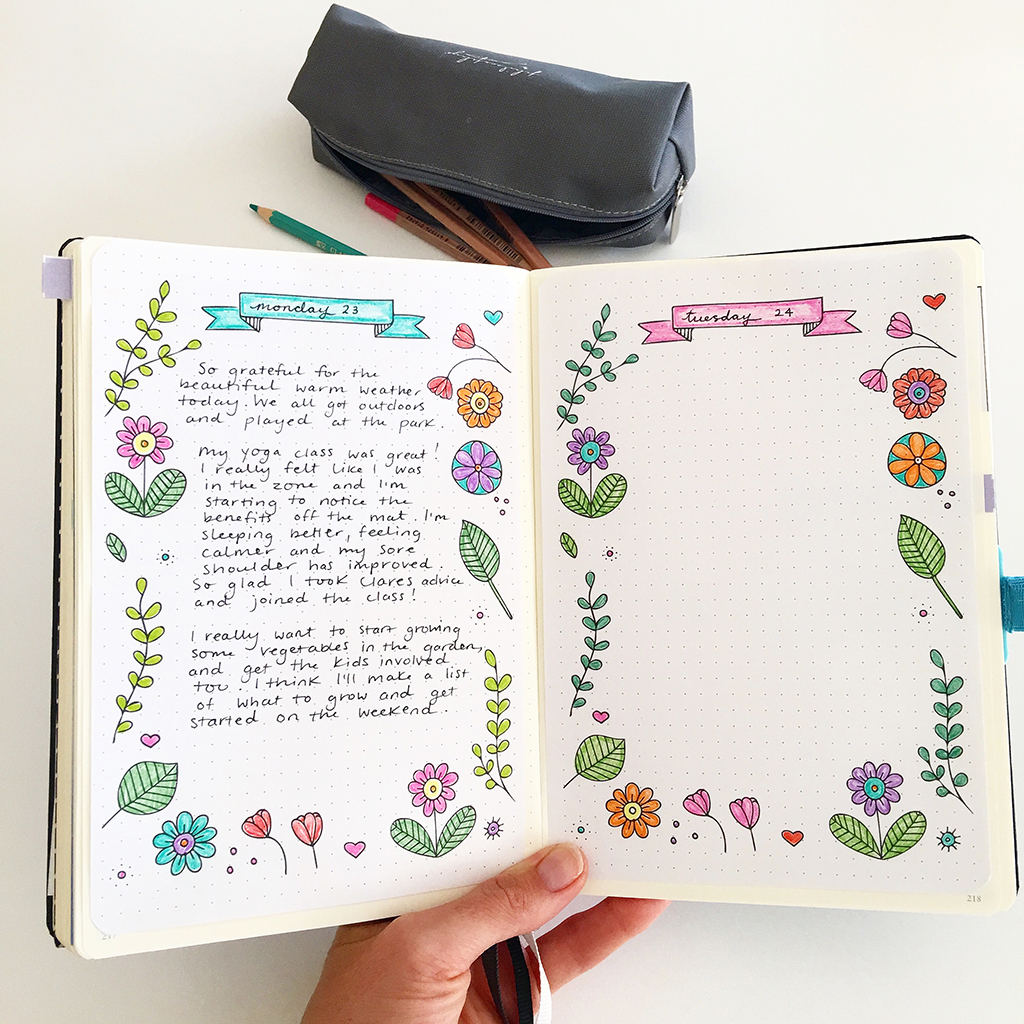
But what if there was a simple, accessible way to navigate these turbulent waters? What if you could learn to identify the root causes of your stress, process your emotions in a healthy way, and create a sense of calm amidst the chaos? Thereisa way, and it's more powerful than you might think: Journaling. This isn't about writing the next great novel. It’s about creating a safe space to explore your inner world, to untangle your thoughts and feelings, and to cultivate a more mindful and intentional way of living. Journaling can be a powerful tool for improving your mindset and building healthy routines.
Journaling: Your Personal Chaos Coordinator
Journaling is simply the act of writing down your thoughts and feelings. It's a personal and private conversation you have with yourself, a space where you can be honest, vulnerable, and unfiltered. There are no rules, no right or wrong answers, and no judgment. It’s a place to explore, to question, and to understand. Unlike talking to someone else, journaling offers a safe space to express things you might be afraid to say out loud. It’s a pressure valve for pent-up emotions.
Why Journaling Works: The Science of Self-Reflection
While it might seem like "just writing," journaling taps into powerful psychological processes. When you put your thoughts on paper, you force yourself to organize and articulate them. This process of externalization can help you gain a new perspective on your problems. By writing it down, you're essentially taking your swirling thoughts out of your head and putting them in front of you, allowing you to examine them more objectively. Studies have shown that journaling can reduce anxiety, improve mood, and even boost your immune system. It encourages self-awareness, helping you identify patterns in your thoughts and behaviors, leading to positive change. It’s also a fantastic tool for cultivating a greater sense of gratitude and appreciation for the good things in your life.
Journaling Strategies to Untangle the Chaos
Now that we've established the power of journaling, let's explore some specific strategies you can use to untangle your inner chaos and cultivate a more peaceful and grounded mindset. The key is to experiment and find what works best for you. There's no one-size-fits-all approach.
1. The "Brain Dump" Method: Clearing the Mental Clutter
Sometimes, the sheer volume of thoughts racing through your head is overwhelming. The "brain dump" method is a simple way to clear the mental clutter. Grab your journal and simply write down everything that's on your mind, without censoring or judging yourself. Don't worry about grammar, spelling, or coherence. Just let the thoughts flow freely onto the page.
How to do it
Set a timer: Start with 5-10 minutes and write continuously until the timer goes off. No editing: Don't stop to correct mistakes or judge your writing. Just keep writing. Don't overthink:Just let your thoughts flow, whatever they may be.
Why it matters: This method is excellent for releasing pent-up anxiety and freeing up mental space. You’ll be surprised how much calmer you feel after simply getting everything out of your head and onto paper.
2. The Gratitude Journal: Shifting Your Focus to the Positive
When you're feeling overwhelmed, it's easy to get caught up in negative thoughts and feelings. A gratitude journal is a powerful tool for shifting your focus to the positive aspects of your life. By intentionally focusing on what you're grateful for, you can cultivate a more optimistic and resilient mindset.
How to do it
Set a regular time: Choose a time each day (morning or evening works well) to write in your gratitude journal. List at least three things: Write down at least three things you're grateful for that day. They can be big or small, from a delicious cup of coffee to the support of a loved one. Be specific:Instead of just writing "I'm grateful for my family," try "I'm grateful for my family because they always make me laugh and support me through difficult times."
Q&A: What if I don'tfeelgrateful? That's okay! Even on difficult days, there are always small things to be grateful for. Focus on the simple things: a warm bed, a sunny day, a kind word from a stranger. The act of looking for things to appreciate will gradually shift your mindset.
3. The "Morning Pages" Technique: A Stream-of-Consciousness Approach
Made popular by Julia Cameron in her book "The Artist's Way," Morning Pages are three pages of longhand, stream-of-consciousness writing, done first thing in the morning. The idea is to empty your mind onto the page, clearing the way for creativity and clarity throughout the day.
How to do it
Write first thing: Before you check your phone or engage in any other activities, sit down and start writing. Fill three pages: Write continuously until you've filled three pages. Don't censor yourself: Write whatever comes to mind, even if it seems trivial or nonsensical. Don't reread: Once you've written your Morning Pages, put them away and don't reread them. They're not meant to be perfect or profound; they're simply a way to clear your mind.
Why it matters: Morning Pages can help you uncover hidden thoughts and feelings, break through creative blocks, and start your day with a sense of clarity and purpose.
4. The "Problem-Solving" Journal: Turning Challenges into Opportunities
When faced with a problem, journaling can help you break it down into manageable steps and explore potential solutions.
How to do it
Identify the problem: Clearly define the problem you're facing. Explore the causes: What are the underlying causes of the problem? Brainstorm solutions: List as many potential solutions as you can think of, without judging them. Evaluate the solutions: Consider the pros and cons of each solution. Choose a course of action:Select the solution that seems most promising and create a plan of action.
Example
Problem: Feeling overwhelmed at work. Causes: Too many tasks, unclear priorities, lack of delegation. Solutions: Create a task list, prioritize tasks, delegate tasks, communicate with my manager. Evaluation: Delegating tasks will free up time, but I need to ensure others have the skills and resources to complete them effectively. Action:Schedule a meeting with my team to delegate tasks and clarify responsibilities.
5. The "Mindful Moment" Journal: Cultivating Presence and Awareness
Take a moment to notice your surroundings, your breath, your body. What sensations are you experiencing? Write about these details. Focus on the present moment without judgment.
How to do it
Find a quiet space: Find a place where you can sit comfortably without distractions. Close your eyes: Take a few deep breaths and close your eyes. Focus on your senses: What do you hear? What do you smell? What do you feel? Write down your observations: Describe your experience in as much detail as possible.
Why it matters: Practicing mindful journaling can help you reduce stress, improve your focus, and cultivate a greater sense of presence in your daily life. This type of journaling can also easily incorporate breathwork exercises to further promote calm and reduce anxiety.
Making Journaling a Sustainable Routine
The key to unlocking the transformative power of journaling is consistency. Here are some tips for making journaling a sustainable part of your daily routine: Start small: Don't try to do too much too soon. Start with just a few minutes each day and gradually increase the time as you become more comfortable. Choose a time that works for you: Find a time of day when you're least likely to be interrupted and make it a consistent part of your routine. Create a dedicated space: Designate a specific area for journaling, such as a desk, a cozy chair, or a quiet corner of your home. Don't judge yourself: Remember, there's no right or wrong way to journal. Just write whatever comes to mind, without censoring or judging yourself. Be patient:It takes time to develop a new habit. Don't get discouraged if you miss a day or two. Just pick up where you left off.
Journaling is a personal journey. Experiment with different techniques, find what works best for you, and most importantly, be kind to yourself. It’s a powerful tool that can help you untangle your inner chaos, cultivate a more mindful and intentional way of living, and ultimately, create a more peaceful and fulfilling life.