
Ever feel like you're running on fumes, your heart pounding even when you’re just sitting at your desk? That tightness in your chest, the constant buzz of anxiety, the brain fog that makes even simple tasks feel monumental? You're not alone. Life these days seems to throw curveballs non-stop, from demanding jobs and family pressures to the ever-present hum of social media and the anxieties of the modern world. It's easy to feel overwhelmed and trapped in a cycle of stress that never seems to end. But understanding what's happening inside your body can be the first step towards taking back control and finding your way back to a calmer, more balanced you.
The pressure is on. Deadlines loom, bills pile up, and the news cycle seems intent on keeping us in a perpetual state of unease. Maybe you’re juggling work, kids, and caring for aging parents, leaving you feeling completely drained. Or perhaps the constant comparison on social media has chipped away at your self-esteem, leaving you feeling inadequate and anxious. These modern-day stressors can wreak havoc on our bodies, triggering a cascade of hormonal responses that, while designed to protect us, can leave us feeling worse than ever if left unchecked. This constant state of "fight or flight" isn't sustainable, and it’s crucial to understand how these stress hormones impact your well-being.
The good news is that you're not powerless against these internal forces. Simple shifts in your daily routines, conscious efforts to cultivate a more positive mindset, and incorporating practices that promote calm can make a significant difference. Even small changes, consistently applied, can help regulate your body's stress response and restore a sense of inner peace. Techniques like mindful breathing, establishing healthy boundaries, and prioritizing self-care can be incredibly effective in managing stress and promoting overall wellness. Let's explore how these powerful hormones work and what you can do to keep them in check.
Stress Hormones Explained: What You Should Know
We often hear the term "stress hormones," but what are they, and what exactly do theydo? Let's break down the science in a way that's easy to understand. Essentially, stress hormones are chemical messengers released by your body in response to perceived threats or challenging situations. They’re part of your body's natural defense mechanism, designed to help you survive and thrive.
The Key Players:Cortisol, Adrenaline, and Norepinephrine
When faced with stress, your adrenal glands kick into gear, primarily releasing cortisol, adrenaline (also known as epinephrine), and norepinephrine.
Cortisol: Often dubbed the "stress hormone," cortisol plays a vital role in regulating blood sugar, metabolism, and inflammation. In the short term, it provides a burst of energy to help you cope with a stressful situation. However, chronically elevated cortisol levels can contribute to a range of health issues, including weight gain, sleep disturbances, weakened immunity, and even impact memory. Adrenaline (Epinephrine): This hormone is responsible for the "fight or flight" response. It increases your heart rate, blood pressure, and breathing rate, preparing you to either confront or escape the perceived threat. Adrenaline provides that immediate surge of energy and heightened alertness. Norepinephrine:Similar to adrenaline, norepinephrine increases heart rate and blood pressure. It also helps to sharpen focus and attention, ensuring you're ready to react quickly in a stressful situation. It can also contribute to feelings of anxiety.
These hormones work together to orchestrate a complex physiological response designed to keep you safe. The problem arises when this stress response is activated too frequently or for prolonged periods.
The Downside of Chronic Stress: A Vicious Cycle
While the stress response is essential for survival, chronic stress can lead to a cascade of negative effects on your physical and mental well-being. Constantly elevated cortisol levels, for example, can disrupt your sleep patterns, leading to fatigue and irritability. It can also weaken your immune system, making you more susceptible to illness. Furthermore, chronic stress can contribute to anxiety, depression, and other mental health challenges.
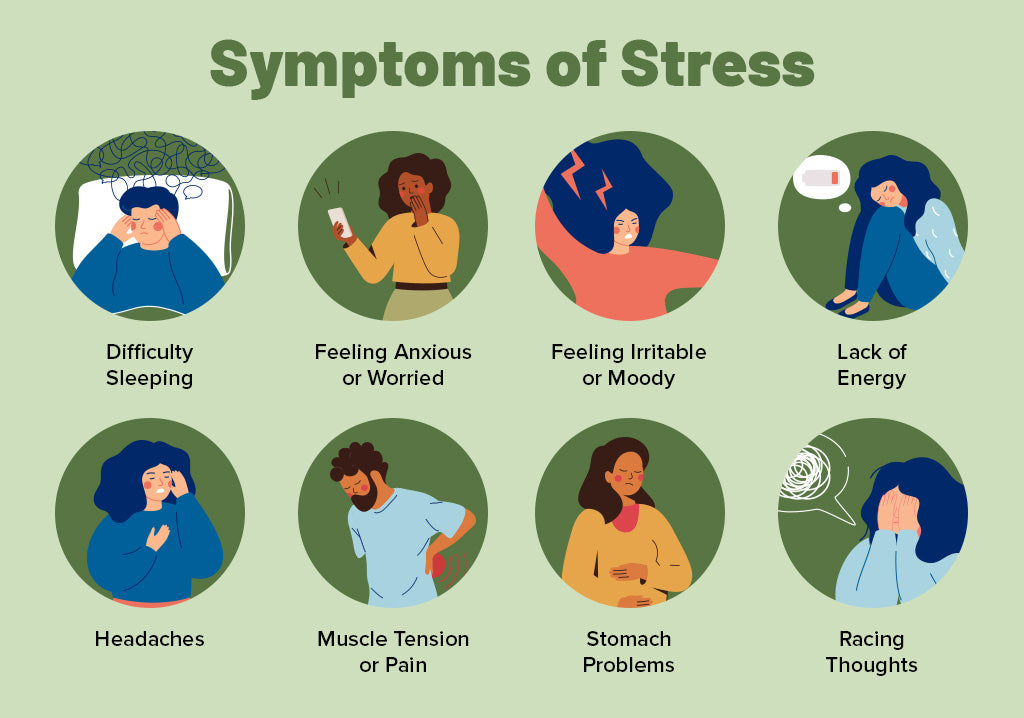
Think of it like this: your body is designed to handle short bursts of stress, like running away from danger. But when you're constantly "running," your system becomes overwhelmed and starts to break down. Recognizing the signs of chronic stress is the first step towards breaking free from this vicious cycle. Common symptoms include:
Persistent fatigue
Difficulty concentrating
Sleep disturbances (insomnia or oversleeping)
Irritability and mood swings
Muscle tension and headaches
Digestive problems
Changes in appetite
Increased susceptibility to illness
If you're experiencing several of these symptoms, it's a good idea to take proactive steps to manage your stress levels. Remember, you're not alone, and there are many effective strategies you can use to regain control.
Practical Strategies for Managing Stress Hormones
So, what can you do to manage these stress hormones and regain a sense of calm? Here are some practical, step-by-step tips you can incorporate into your daily routine:
1. Master the Art of Mindful Breathing
Deep, diaphragmatic breathing is a powerful tool for calming the nervous system. When you breathe deeply, you activate the parasympathetic nervous system, which is responsible for the "rest and digest" response. This helps to lower your heart rate, reduce blood pressure, and promote a sense of relaxation.
How to Practice Mindful Breathing
- Find a quiet place where you can sit or lie down comfortably.
- Close your eyes and focus your attention on your breath.
- Inhale deeply through your nose, allowing your abdomen to expand.
- Exhale slowly through your mouth, releasing any tension you may be holding.
- Repeat this process for 5-10 minutes, focusing on the sensation of your breath.
Practice this technique regularly, especially when you're feeling stressed or anxious. You can even incorporate it into your daily commute or before bedtime to promote restful sleep.
2. Embrace the Power of Movement
Physical activity is a fantastic way to burn off excess adrenaline and cortisol. Exercise helps to release endorphins, which have mood-boosting and pain-relieving effects. Choose an activity you enjoy, whether it's walking, running, swimming, dancing, or yoga.
Tips for Incorporating Movement
Aim for at least 30 minutes of moderate-intensity exercise most days of the week.
Break it up into smaller chunks if needed, such as three 10-minute walks.
Find an exercise buddy to stay motivated.
Make it fun! Listen to music, explore new trails, or join a dance class.
3. Cultivate a Mindful Mindset
Your thoughts and beliefs can significantly impact your stress levels. Negative thinking patterns can amplify your stress response, while a positive mindset can help you cope more effectively.
Techniques for Cultivating a Mindful Mindset
Practice Gratitude: Take a few minutes each day to reflect on the things you're grateful for. This can help shift your focus from what's lacking to what you already have. Challenge Negative Thoughts: When you notice a negative thought, ask yourself if it's truly accurate or helpful. Replace it with a more balanced and realistic perspective. Practice Self-Compassion: Treat yourself with the same kindness and understanding you would offer a friend. Acknowledge your imperfections and celebrate your strengths. Mindfulness Meditation: Even just 5-10 minutes a day can help train your brain to stay present and less reactive to stressful thoughts and emotions.
4. Establish Healthy Sleep Routines
Sleep deprivation can wreak havoc on your stress hormones. Aim for 7-9 hours of quality sleep each night to allow your body to rest and repair.
Tips for Improving Sleep
Create a Relaxing Bedtime Routine: Wind down with a warm bath, a good book, or some gentle stretching. Maintain a Consistent Sleep Schedule: Go to bed and wake up at the same time each day, even on weekends. Optimize Your Sleep Environment: Make sure your bedroom is dark, quiet, and cool. Limit Screen Time Before Bed: The blue light emitted from electronic devices can interfere with sleep. Avoid Caffeine and Alcohol Before Bed:These substances can disrupt your sleep cycle.
5. Nourish Your Body with Healthy Foods
A balanced diet is essential for supporting your adrenal glands and regulating stress hormones. Focus on whole, unprocessed foods, including fruits, vegetables, whole grains, and lean protein.
Foods to Support Stress Hormone Balance
Omega-3 Fatty Acids: Found in fatty fish, flaxseeds, and walnuts, these healthy fats can help reduce inflammation. Magnesium: Found in leafy greens, nuts, and seeds, magnesium helps regulate nerve and muscle function. B Vitamins: Found in whole grains, lean protein, and leafy greens, B vitamins are essential for energy production and nervous system function. Antioxidants: Found in fruits and vegetables, antioxidants help protect your cells from damage caused by stress.
Also, be mindful of caffeine and alcohol consumption, as these can sometimes exacerbate feelings of anxiety.
Why Does Managing Stress Hormones Matter?
The answer is simple: your well-being depends on it. Unmanaged stress hormones can impact every aspect of your life, from your physical health and mental state to your relationships and productivity. By taking proactive steps to manage your stress, you can: Improve Your Physical Health: Reduce your risk of chronic diseases like heart disease, diabetes, and obesity. Enhance Your Mental Well-being: Reduce anxiety, depression, and other mental health challenges. Boost Your Energy Levels: Feel more energetic and productive throughout the day. Strengthen Your Relationships: Communicate more effectively and build stronger connections with loved ones. Improve Your Overall Quality of Life:Experience greater joy, peace, and fulfillment.
Investing in your stress management is an investment in your overall health and happiness. Don't wait until you're completely burned out to take action. Start implementing these strategies today and experience the transformative power of a calmer, more balanced you.
Q&A: Common Questions About Stress Hormones
Q: Can stress hormones cause weight gain?
A: Yes, chronically elevated cortisol levels can contribute to weight gain, particularly around the abdomen. Cortisol can increase appetite and promote the storage of fat.
Q: Are there any supplements that can help manage stress hormones?
A: Certain supplements, such as magnesium, ashwagandha, and L-theanine, may help to support adrenal function and reduce stress. However, it's always best to consult with your doctor or a qualified healthcare professional before taking any new supplements.
Q: How long does it take to lower cortisol levels naturally?
A: The timeframe varies depending on individual factors, such as the severity of your stress and your consistency with implementing stress-management strategies. However, with consistent effort, you should start to notice improvements within a few weeks to a few months.
Q: When should I seek professional help for stress management?
A: If you're feeling overwhelmed, struggling to cope, or experiencing significant symptoms of anxiety or depression, it's important to seek professional help. A therapist or counselor can provide you with support, guidance, and evidence-based strategies for managing stress.
Disclaimer: This information is for educational purposes only and is not intended as a substitute for professional medical advice. Always consult with your doctor or a qualified healthcare professional before making any changes to your diet, exercise routine, or treatment plan.